
It sort of feels that each week we are reporting on information of some other wave of layoffs at a large sport studio. In March on my own, we noticed 1000 personnel let cross at Epic Video games, 124 at Eidos Montreal, and over 100 at Ubisoft’s Crimson Typhoon Leisure. And the ones are simply those I will title with no need to rack my mind.
In some circumstances, those “reorganisations” are to stay buyers glad, in others they are painted as important for a studio to stay the lighting on till its subsequent paycheck. However each time a workforce loses individuals, they lose one thing that cannot be changed if the cash ever starts to glide once more. The shorthand and agree with that develops between personnel who paintings in combination for a very long time, the institutional wisdom of what is been attempted up to now and labored (or did not), those simplest come from groups that stay intact.
Many have sung the praises of institutional wisdom and retaining a workforce in combination ahead of, however within the wake of layoffs like we are seeing this present day, it kind of feels price offering an instance of why letting a workforce mature in combination makes for higher video games.
After I spoke to Greg Foertsch, founding father of Bit Reactor and artistic director on Megastar Wars 0 Corporate, it wasn’t to listen to about his turn-based techniques derivative of George Lucas’s sci-fi opera. I sought after to listen to about XCOM 2, which celebrated its 10th anniversary in February. Foertsch was once artwork director on each XCOM: Enemy Unknown and its sequel ahead of shifting onto Surprise’s Nighttime Suns. An surprising thread that ran via our dialog was once what the power that got here from retaining the ingenious workforce in combination.
Prior to running on Enemy Unknown, Foertsch was once the artwork lead on 2006’s Sid Meier’s Railroads! If you happen to examine the credit between the 2 video games you’ll be able to see simply how most of the similar names seem. “My workforce on XCOM was once in large part my workforce from Railroads,” Foertsch says. “So we already had some institutional wisdom and shared reports and that made XCOM Enemy Unknown a bit more straightforward.” However the advantage of preserving the workforce in combination for almost 15 years confirmed up in XCOM 2.
“Our purpose was once to stay the workforce in combination.”
In a while after the a success release of XCOM: Enemy Unknown in 2012, 2K Video games gave Firaxis the greenlight to begin paintings on its sequel. Reasonably than downsize to a small pre-production staff, the majority of the workforce labored on a DLC growth for Enemy Unknown whilst the leads started paintings at the sequel. “The way in which that we did it at Firaxis was once we used expansions and DLC to let any individual else get management enjoy,” Foertsch explains, although he provides that there was once some other cause: “Our purpose was once to stay the workforce in combination.”
Foertsch knew going into the sequel that they might face a vital problem at the artwork aspect. Whilst Enemy Unknown and XCOM 2 are each in-built Unreal Engine 3, for the sequel Firaxis carried out new rendering generation that intended they were not ready to reuse property from the primary sport. Reasonably than see this as an issue, it was once additionally a possibility for the artwork workforce to blow their own horns what that they had realized making the primary sport.

“With XCOM, I directed to what I believed the workforce may just do in the time-frame,” Foertsch says. “The unique previsualisation was once a bit extra lifelike [but] we landed in that extra stylized, chunky miniature really feel [because of] two components: the time we had and what I believed the workforce may just ship.”
Foertsch is fast so as to add that it is “no longer that they were not gifted”, however as a result of such a lot of what the workforce was once doing in XCOM: Enemy Unknown was once new. They had been making an isometric turn-based tactical sport the place the digital camera may just at any second zoom down into over-the-shoulder glam cam photographs of a soldier making an outstanding shot, all whilst running in a brand new engine. “Making an attempt to determine the problem of the digital camera being anywhe…,” Foertsch says. “How do you’re making artwork that holds up? Enemy Unknown was once in large part a reaction to that.”
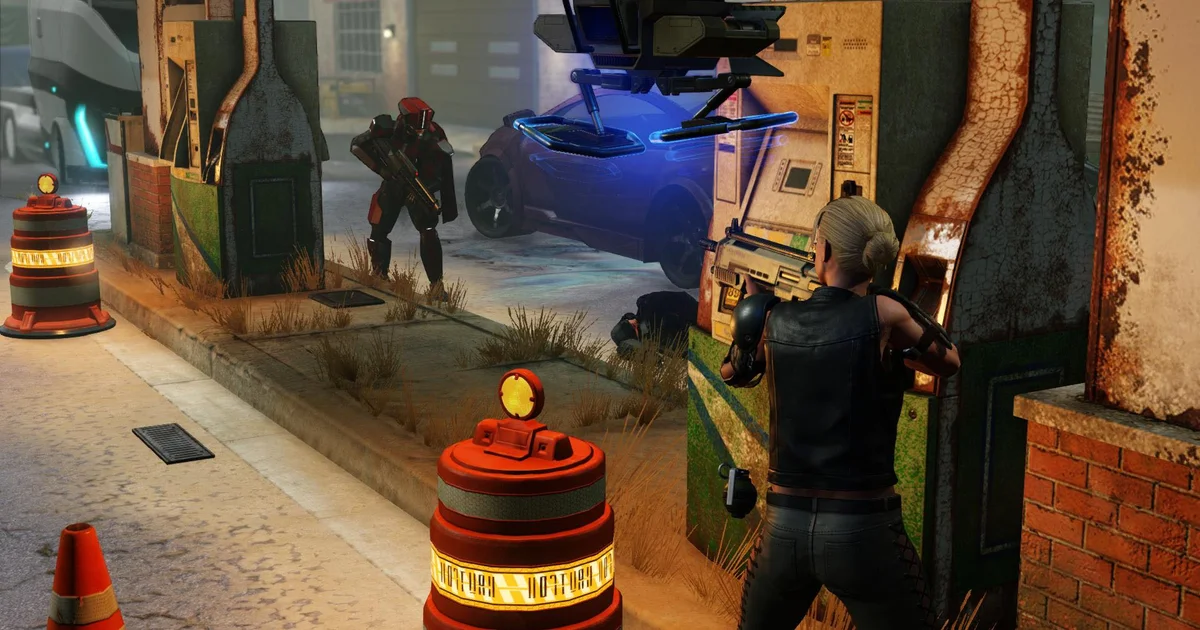
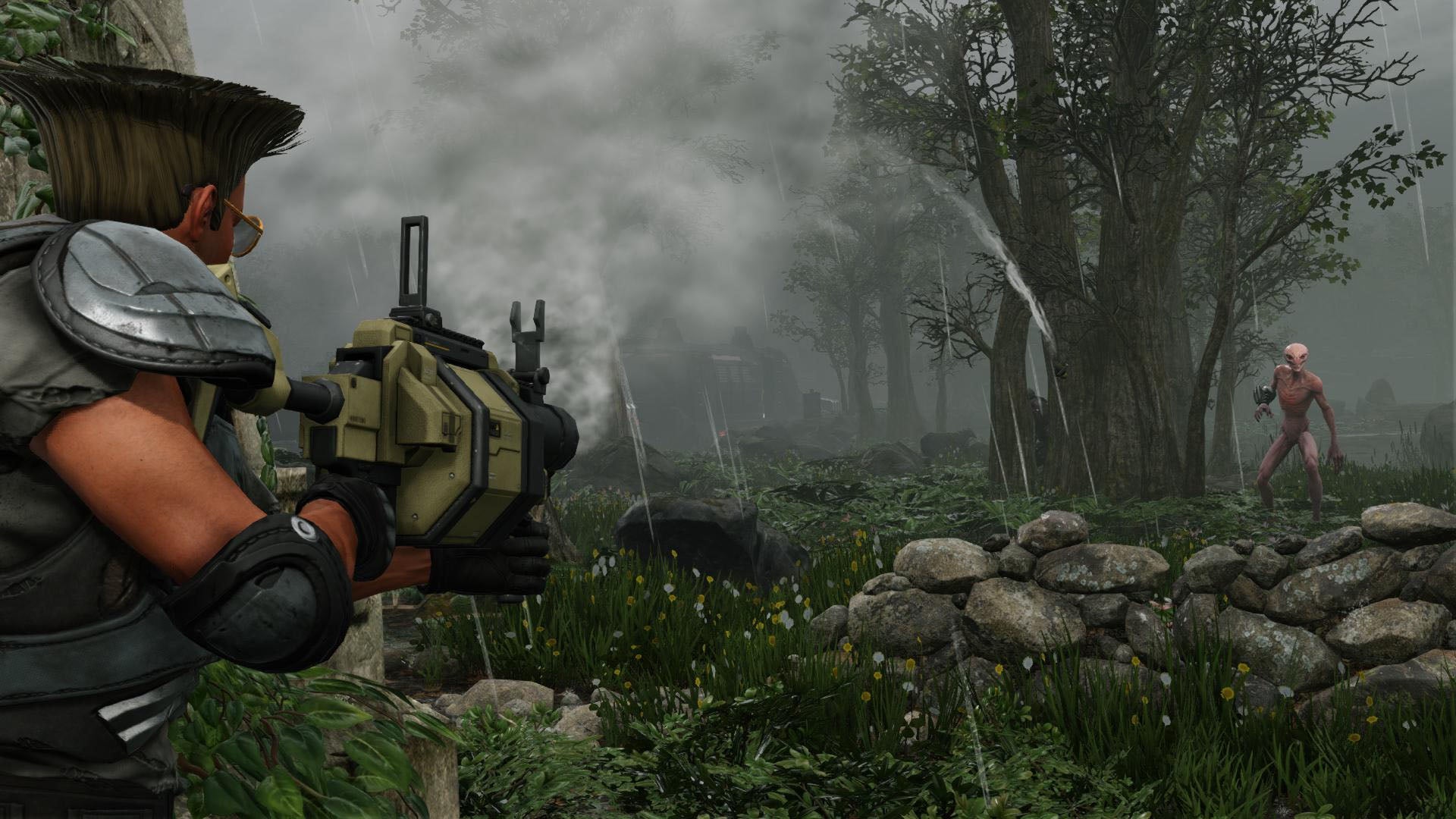
With XCOM 2, Foertsch knew his workforce may just paintings to the next stage. So when the design workforce determined to modify all of the persona categories from Enemy Unknown and refine the talents and purposes of all of the sport’s enemies, the artwork workforce recreated each type to raised seize the ones adjustments. It wasn’t a go back to the realism of Foertsch’s unique XCOM previsualisation, however an exaggeration of the way they landed on for the primary sport. “We went from miniatures to GI Joe motion figures in the second one sport,” he explains.
“The variation between XCOM and XCOM 2 is like staring at a workforce develop up proper in entrance of your eyes.”
The berserker in Enemy Unknown, for example, seemed quite very similar to a muton; each had been chunky extraterrestrial beings in struggle armour. Whilst one could not be unsuitable for the opposite, they had been minimize from the similar material. So in XCOM 2, Foertsch’s workforce grew to become the berserker right into a screaming, roaring creature with scaly crimson and white pores and skin that barrels against your squaddies taking a look like a endure crossed with a steam educate. In the meantime, the muton changed into extra humanoid, taller and muscular – a rugby participant in complete kevlar.
“The variation between XCOM and XCOM 2 is like staring at a workforce develop up proper in entrance of your eyes,” Foertsch says. “That is an enormous takeaway for the business at the moment.”

XCOM 2’s building was once no longer with out its issues. Describing the sport because the workforce’s “teenager years,” Foertsch says that “perhaps the swings had been a bit too large”. Simply months ahead of unlock, the workforce determined they wanted greater than an hour of cinematics, so he and different artists had been pulled off to storyboard and animate movies that may attach up the other missions of the sport. “If we hadn’t all been in the course of the different tasks in combination, there is no means that you’ve that agree with and that courting with everyone at the workforce to move ‘K, I gotta focal point in this factor,” Foertsch explains “Handle [this] and we’re going to all meet within the center on the finish.”
Within the years since Foertsch’s 2019 departure from the studio, Firaxis have not been immune from layoffs. In 2023, greater than 30 personnel had been laid off with 2K describing the redundancies as a “polishing of focal point, improvements of efficiencies, and an alignment of our ability towards our perfect priorities.” On the other hand in September 2025, there was once a 2nd spherical of layoffs. This time 2K stated it was once a part of the studio’s efforts to “optimize its building procedure for adaptability, collaboration, and creativity.”
“Maintaining groups in combination does not appear to topic to folks, however for us it did.”
Foertsch based Bit Reactor in 2021 to begin paintings on Megastar Wars 0 Corporate. There he is surrounded himself with folks he labored with at the XCOM collection. Thought artists, programmers, designers, individuals who raise one of the vital institutional wisdom and agree with fostered over greater than a decade running in the similar rooms at the similar tasks.
Talking about his and the opposite leaders of the XCOM workforce’s efforts to stay their personnel in combination between Enemy Unknown and its sequel, Foertsch says “It is so uncommon that we see groups stick in combination as a result of institutional wisdom is not valued in any respect. Maintaining groups in combination does not appear to topic to folks, however for us it did.”